Chapter 38 is about turning every job you have held, in a school or not, into skills a principal wants to hear about. It is for teacher candidates who worked as a barista, in retail, in an office or as a manager and wonder how that counts. It follows Chapter 37 on getting resume feedback from a principal, and the “Why should we hire you?” interview guide shows where these stories pay off.
This is Chapter 38 of 51 from Road to Teaching (2025 edition). Read the whole book free, in order, at Read the Book.
By Dr. Eric Hougan
“In wisdom gathered over time I have found that every experience is a form of exploration.”Ansel Adams
As you refine your resume and seek advice on how to improve it, also take time to reflect on all your work experiences, regardless if these experiences are directly related to education or not. Work experience looks fantastic on a resume and helps you answer such interview questions as:
- What were some important lessons you learned from your experiences?
- What are the skills you possess that will assist you as a teacher? Why?
- What is a challenge you faced and how you did you overcome it?
- How are you different from the other job candidates?
Your work experiences provide an additional and unique window for interviewers to evaluate you. Use this to your advantage. Differentiate yourself from other candidates by talking about your work experiences and demonstrating how those experiences make you a stronger teacher. If your work experiences were in the field of education, reflect on these real-life experiences and the unique insights you learned that could be applied to your future teaching career.
If you have work experiences that are not directly related to education, e.g. you were a barista or a retail store manager, attempt to connect your experience to teaching. For instance, in your job, were you a team player or leader? These questions are asking about your disposition and skill sets which are important because, as an educator, you will be collaborating with colleagues or may have to lead a new initiative at the school. Or, if your work experiences involved customer service, think about what lessons from providing customer service could be applied to serving your students and their families. In short, upon reflecting on your work experiences, be prepared to explain to the interviewer how you will utilize those experiences and skills to maximize student learning and growth.
Extracting Transferable Skills
The key to leveraging non-education work experience lies in identifying transferable skills that apply directly to teaching. Consider these common connections:
Customer Service Experience translates to:
- Communication skills with parents and families
- Problem-solving abilities when addressing concerns
- Patience and empathy when dealing with challenging situations
- Ability to remain professional under pressure
Retail or Sales Experience demonstrates:
- Ability to engage diverse audiences
- Skills in presenting information clearly and persuasively
- Experience managing multiple tasks simultaneously
- Understanding of how to motivate and influence others
Management or Supervisory Roles show:
- Leadership and decision-making capabilities
- Experience coordinating teams and projects
- Ability to delegate and provide guidance
- Skills in conflict resolution and problem-solving
Administrative or Office Work indicates:
- Strong organizational and time management skills
- Attention to detail and accuracy
- Ability to work with data and maintain records
- Experience with technology and communication systems
Crafting Your Narrative
When preparing to discuss your work experiences in interviews, develop specific stories that illustrate how your skills transfer to education. Use the STAR method (Situation, Task, Action, Result) to structure your responses:
- Situation: Describe the context of your work experience
- Task: Explain what you needed to accomplish
- Action: Detail the steps you took
- Result: Share the positive outcome and what you learned
For example, if you worked in retail, you might say:
“In my retail position, I regularly dealt with frustrated customers who were unhappy with products or policies (Situation). My task was to resolve their concerns while maintaining company standards (Task). I learned to listen actively, empathize with their frustration, and find creative solutions that satisfied both the customer and company policies (Action). This experience taught me patience, creative problem-solving, and the importance of clear communication—skills I know will be valuable when working with students and parents who may be facing academic or behavioral challenges (Result).”
Addressing Gaps and Concerns
If you have limited work experience, focus on volunteer activities, internships, or even significant personal experiences that demonstrate relevant skills. The key is to show growth, responsibility, and the development of skills that will make you an effective teacher.
Ongoing Reflection
Consider keeping a journal that documents not just your education-related experiences, but also how your broader life and work experiences have shaped your approach to teaching. This ongoing reflection will help you articulate your unique value proposition as an educator and demonstrate the diverse perspectives you bring to the classroom.
Remember that many successful teachers come from varied backgrounds before entering education. Your unique combination of experiences—educational and otherwise—contributes to your effectiveness as an educator. The key is being able to clearly communicate how these experiences have prepared you to serve students and contribute to a school community.
As you continue in your teaching career, don’t stop reflecting on how your experiences shape your practice. The habit of extracting meaning from all your experiences—both positive and challenging—will serve you well as you continue to grow as an educator and leader.
Identify and articulate how all your work experiences—whether in education or other fields—have developed skills that make you a stronger teacher. Use specific examples and the STAR method to demonstrate how your diverse background contributes unique value to educational settings.
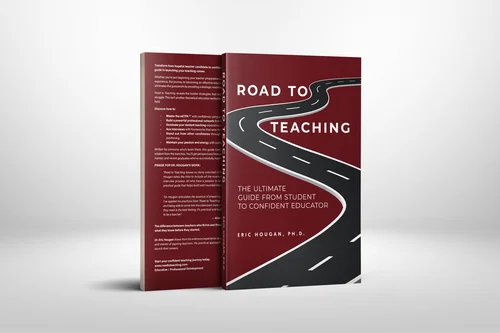
Want the whole road in your bag?
All 51 chapters plus 100+ interview questions, from your first education course to your first contract. Paperback $12.99, Kindle $7.99 on Amazon.