Chapter 37 is about asking a school administrator, ideally at the school where you student taught, to look over your resume and cover letter before you apply. It is for teacher candidates who have a draft and want feedback from the kind of person who will hire them. It follows Chapter 36, a career counselor’s advice, and the teacher resume guide covers how to write the resume itself.
This is Chapter 37 of 51 from Road to Teaching (2025 edition). Read the whole book free, in order, at Read the Book.
By Dr. Eric Hougan
“Anything that’s worth having is worth asking for.”Melba Colgrove
A bold but creative strategy is to meet with an administrator to review your resume and cover letter—ideally at the school where you student taught. An administrator’s time is very valuable, so when requesting a meeting be sure to contact the administrator’s secretary to set this up for you. Once the meeting is scheduled, reach out to the administrator via email to let them know the reason for the meeting and some of the things you would like to discuss with them.
In preparation for your meeting, make sure to bring with you a hard copy of your resume and cover letter (or send one electronically ahead of the meeting to the administrator). Doing so will not only showcase your professionalism, it shows the administrator you value their time and expertise by being prepared. Also, come to the meeting with specific questions in hand to make the most of your time. In the end, thank the administrator for meeting with you and let them know that you appreciate his or her valuable insight on how to improve the effectiveness of your resume and cover letter.
There are some real benefits to having face time with a school administrator. The first and most obvious benefit of arranging this meeting is to receive feedback from the type of person that will be hiring you. Try to bring an extra draft of your documents for you to make notes on as you review them. In the course of your conversation, solicit specific suggestions to improve your resume and cover letter.
A less obvious benefit of this strategy is that when meeting with the administrator the conversation centers on you and your qualifications. As a result, this conversation might just be the catalyst that shifts the administrator’s thinking of you as a “teacher candidate” to a “highly-qualified job candidate.” If this shift occurs, the administrator may divulge job leads to you, or might even go as far as putting in a good word for you with human resources, or even making you an offer. The administrator may also recommend you to other principals who are in need of teaching staff if they do not have a position available for you at their school.
Digital communication has expanded how you can approach this strategy while maintaining its effectiveness:
- Virtual meetings: If in-person meetings aren’t possible, request a video conference to review your materials
- Professional platforms: Connect on LinkedIn after the meeting to maintain the professional relationship
Consider the timing of your request carefully. Administrators are typically busiest at the beginning and end of school years, during testing periods, and right before winter and spring breaks. Aim for quieter periods when they’re more likely to have time for a substantive conversation about your materials.
Lastly, to take full advantage of your time with the administrator, spend a few moments gathering their insights on the interview process. A shining resume and cover letter won’t get you very far without a stellar interview to back it up. Therefore, this is a golden opportunity for you to get yourself one step ahead of other potential job candidates. For example, you may be curious about what interview questions are commonly asked for the position you are seeking. More often than not, administrators will share with you a few of the top interview questions, or at a minimum, provide you clues as to what topics are typically discussed and how to approach them. This is also a great time to inquire about what qualities they are looking for when interviewing job applicants.
Questions you might ask during your meeting:
- “What immediately catches your attention on a strong teaching resume?”
- “Are there any red flags you typically see on resumes that I should avoid?”
- “What specific experiences or qualifications are most important for the type of position I’m seeking?”
- “How do you prefer cover letters to be structured?”
- “What interview questions do you commonly ask, and what are you hoping to learn from candidates’ responses?”
- “What advice would you give to someone just starting their teaching career?”
If for some reason you are not able to arrange a meeting with the administrator, then attempt to connect with others in your school network: teacher colleagues, librarians, cooperating teacher, professors, and clinical supervisor. They may have served on hiring committees and be able to provide you with unique perspectives.
Remember that this strategy works best when you approach it as a genuine learning opportunity rather than a networking ploy. Administrators can quickly sense when someone is being authentic versus when they’re simply trying to leverage a connection. Focus on genuinely wanting to improve your application materials and learn from their expertise.
After the meeting, be sure to implement the feedback you received and send a brief thank-you note acknowledging their time and insights. If you do receive a job offer later, consider letting them know about your success and thanking them again for their guidance. This type of follow-up demonstrates professionalism and helps maintain valuable professional relationships for the future.
Request feedback on your resume and cover letter from school administrators who understand what hiring committees seek. These conversations not only improve your materials but also create professional relationships that may lead to job opportunities or valuable recommendations.
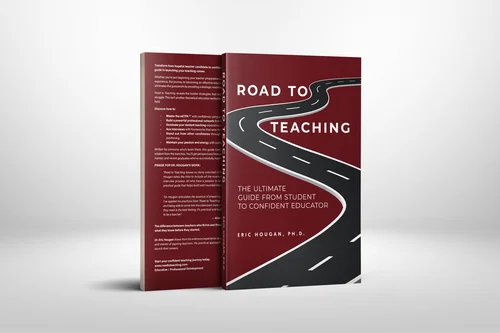
Want the whole road in your bag?
All 51 chapters plus 100+ interview questions, from your first education course to your first contract. Paperback $12.99, Kindle $7.99 on Amazon.