Chapter 47 is about using real interviews for jobs you want less as practice for the one you want most: how to pick them, what to write down afterward, and where the professional line sits. It is for teacher candidates who get nervous in interviews and want real reps before the big one. It follows Chapter 46 on researching a school, and the teacher interview questions page has questions to practice with.
This is Chapter 47 of 51 from Road to Teaching (2025 edition). Read the whole book free, in order, at Read the Book.
By Dr. Eric Hougan
“When I have fully decided that a result is worth getting, I go ahead of it and make trial after trial until it comes.”Thomas A. Edison
Teachers prepare their students for summative assessments by using reviews, fun activities, formative assessments, and so on. Coaches condition their teams through countless drills and practices before the big game. Musicians hone their skills and technique by rehearsing their parts over and over, making adjustments after each run through. In all aspects of life, practice builds awareness, confidence, and skills, while helping to reduce the likelihood of failure. This same principle, practice, applies to the interview process. If you tend to get anxious, sweaty or choked up during an interview (completely natural feelings and reactions), consider going for a trial run interview to gain insight into the interviewing process.
To effectively use this strategy, identify and apply for some open teaching positions that you would be qualified for but are not necessarily the exact job or location you desire. By choosing less desired positions, you will take a good amount of pressure off yourself as the stakes are lower and therefore it will be less of a big deal if you do not get offered the job. These lower stakes allow you to enter the interview more relaxed and this may help you to focus on how to answer the questions more effectively. It will also give you the freedom to make mistakes, try out different ways of discussing your personal experiences, or test out which answers tend to make more of an impact. Plus, there is always a chance you may end up being offered the job, which you could then take into consideration and ultimately accept if it feels like the right fit for you.
Selecting Appropriate Trial Run Opportunities
When choosing positions for practice interviews, consider these factors:
Geographic Considerations: Look at districts that are slightly outside your preferred area but still reasonable for commuting. This allows you to gain interview experience while potentially discovering opportunities you hadn’t previously considered.
Similar Positions: Choose roles that are comparable to your target positions in terms of grade level or subject area. This ensures the questions and scenarios you encounter will be relevant to your preparation for ideal positions.
Timing Strategy: Schedule trial run interviews before your most desired interviews to build momentum and confidence through the process.
School Types: Consider different types of educational settings—public, private, charter—to broaden your experience with various interview styles and expectations.
Maximizing Learning From Trial Runs
Take Detailed Notes: Immediately after each interview, document the questions asked, your responses, and areas where you felt strong or struggled. This information will be invaluable for refining your approach.
Analyze Question Patterns: Look for common themes across different interviews to better predict what you might encounter in future interviews.
Assess Your Performance: Be honest about your delivery, confidence level, and the clarity of your responses. Consider what adjustments would strengthen your presentation.
Gather Feedback: If appropriate, ask for feedback from the interviewers about your performance. Some administrators are willing to provide constructive insights.
Professional Considerations
As an important final note, understand that when applying this strategy there is a professional fine-line that you need to be careful not to cross. While this may just be a practice run for you, the hiring committee is really looking for someone to fill their open position. Hence, applying to positions for which you are not qualified for will be unproductive for you and all parties involved. Additionally, be respectful of their hiring process by not leaving them in a lurch if they happen to offer the position to you. If you are not interested, be sure to communicate that to them as soon as possible so they can move on to the next applicant.
Transitioning From Practice to Purpose
As you move from practice interviews to pursuing your most desired positions, apply the insights gained from trial runs to refine your approach and strengthen your candidacy. Modify your interview preparation based on what you learned about common questions, effective responses, and your own presentation style. Use positive experiences from practice interviews to build momentum and boost your confidence for high-stakes interviews. Throughout this process, maintain perspective and remember that each interview is a learning opportunity, regardless of the outcome.
In the end, when implemented in a professional manner, this strategy can provide you with invaluable real-life interview experience. This extra experience will hopefully help boost your confidence and better prepare you to successfully interview for the position you really desire. The trial run approach allows you to enter your most important interviews with greater self-assurance, clearer communication skills, and a better understanding of what interviewers are seeking. While you should always approach every interview with professionalism and respect, using strategic practice opportunities can significantly improve your performance when it matters most.
Use interviews for less ideal positions as valuable practice opportunities to build confidence and refine your approach before pursuing your most desired roles. Maintain professionalism throughout this process, as these experiences provide authentic interview practice while potentially leading to unexpected opportunities.
Interviewing soon? See how this chapter turns into an answer: What a mock interview teaches future teachers
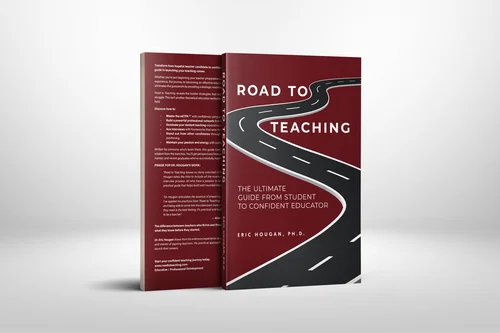
Want the whole road in your bag?
All 51 chapters plus 100+ interview questions, from your first education course to your first contract. Paperback $12.99, Kindle $7.99 on Amazon.