Chapter 40 is about getting the most out of teacher career fairs and district open houses, in person or online: how to plan your route, what to ask recruiters, and how to follow up. It is for teacher candidates who want to meet the people who hire, even a year before they apply. It follows Chapter 39 on starting your job search, and the teacher interview questions page helps you get ready for an on-the-spot interview.
This is Chapter 40 of 51 from Road to Teaching (2025 edition). Read the whole book free, in order, at Read the Book.
By Dr. Eric Hougan
“If you want to be seen, you have to put yourself out there - it’s that simple.”Karin Fossum
Teacher career fairs and school district open houses may prove to be fertile ground for aspiring teachers seeking to improve their chances of being hired in ideal job positions. To start, these career fairs and open houses are a great way to learn more about prospective schools, school districts, and, possibly, other education-related organizations. At these events, you may glean new insights on available (or forthcoming) job openings, key initiatives centered on teaching and learning, salient community information, or other compelling insights about their organization. Keep in mind, you, as a job-seeker, are interviewing employers as much as they are interviewing you. Remember that computers do not hire people; people hire people and finding the right match matters.
Career fairs and open houses are opportune spaces to create or strengthen connections with key personnel, such as recruiters or school leaders, but remember that relationship-building takes effort. When meeting with key staff, be sure to introduce yourself, state why you are attending (e.g., “I am a teacher candidate majoring in elementary education and wondering what job opportunities are available”), and, perhaps, ask a few questions about things that matter to you. For example, you may say, “In my program, I have been learning about socio-emotional learning (SEL) and I am wondering what type of professional development your district provides for SEL.” Asking questions will garner pertinent information and signal to the key personnel what type of educator you are while highlighting some of your personal passions and interests.
Another valuable benefit of attending these career fairs and district open houses is the possibility of receiving a job offer while you are there. At these events, it is not uncommon for job-seekers to either be interviewed on-the-spot or be scheduled for a later time the same day to interview with recruiters. Then, based on a combination of factors including the applicant’s qualifications, background, interview performance, etc., employers may offer letters of intent or employment contracts to interested job seekers. Be ready for this possibility by carrying plenty of resumes and a notepad for jotting down important names and thoughts. Finally, be sure to research and practice answering the common teacher interview questions (See the interviewing strategies later in this section).
Preparation Strategies
Below are additional ideas to maximize your job fair experience.
- Know what you want from this experience by reflecting on what your goals are for the job fair: informational, foster relationships, explore alternative education careers, etc.
- Develop a plan of attack. Before attending any teacher job fair, rank the districts in attendance on desirability from least to highest. When you first arrive, start by visiting the districts/schools you have the least desire to teach in (e.g., the district is the farthest away from your home) then continue to go down your list. The value in this approach is that as you practice introducing yourself to districts that are lower-stakes, you will begin to build confidence, shake off your nerves, and streamline how you present yourself to recruiters. Then, when it comes time to speak with your most desired districts you will be less nervous and better prepared to make a good impression.
- Attend early and often. Even if you are still a year or more away from applying for a teaching position, make the effort to go and put yourself out there. By doing so you will develop a stronger sense of what takes place at these events, initiate vital connections, and possibly find employment before you become qualified for your desired teaching job, e.g., a teacher candidate being offered a paraprofessional position.
- Follow-up on any connections you make within 24 hours using LinkedIn or email. Be sure to collect business cards or at the very least write down the names and contact information of anyone you spoke with soon after each interaction.
- Deliver on the non-verbal cues: give a firm handshake, make eye-contact, stand up straight, and smile when introducing yourself.
- Be mindful of the school or district representative’s time when interacting. In other words, don’t dominate their time or interrupt them if they are with another applicant.
- Dress professionally (see the strategy Dress to Impress later in this section)
Digital and Virtual Considerations
The landscape of career fairs has evolved significantly, with many events now offering virtual or hybrid options. These digital formats provide unique advantages:
Virtual Career Fairs:
- Broader geographic access to districts outside your immediate area
- Ability to attend multiple events without travel constraints
- Often include chat features for quick initial contact
- May offer breakout rooms for more detailed conversations
- Digital portfolio sharing capabilities
Preparation for Virtual Events:
- Test your technology and internet connection beforehand
- Prepare a professional virtual background
- Have digital copies of all materials readily accessible
- Practice your elevator pitch for video interactions
- Ensure good lighting and audio quality for video calls
Maximizing Your Impact
Research participating organizations before the event. Having knowledge about specific districts or schools demonstrates genuine interest and allows you to ask more targeted questions.
Prepare thoughtful questions that go beyond basic information available on websites. Examples include:
- “What professional development opportunities are available for new teachers?”
- “How does the district support teacher collaboration and growth?”
- “What are the biggest challenges and opportunities facing the district currently?”
- “Can you tell me about the mentoring program for first-year teachers?”
Bring multiple copies of your resume, business cards if you have them, and a portfolio with examples of your work. Even at virtual events, have these materials ready to share digitally.
Take notes during and immediately after conversations. Record key details about each organization, contact information, and follow-up actions needed.
Post-Event Follow-Up
The real value of career fairs often comes from your follow-up efforts:
- Send personalized thank-you messages within 24-48 hours, referencing specific aspects of your conversation.
- Connect on professional platforms like LinkedIn, adding a personalized note about where you met.
- Research any districts that particularly interested you to prepare for potential interviews.
- Add new contacts to your networking system with notes about how you met and key conversation points.
- Reflect on the experience by documenting what you learned about different organizations and what questions you want to explore further.
Remember that career fairs are just one component of your job search strategy. While they can provide valuable connections and insights, they work best when combined with other networking efforts, targeted applications, and thorough preparation for the interview process. Approach each event as a learning opportunity, regardless of immediate outcomes, and view the relationships you build as investments in your long-term career success.
Career fairs also provide excellent practice for interview skills in a lower-pressure environment. Use these interactions to refine your elevator pitch, practice articulating your teaching philosophy, and gain comfort discussing your qualifications with education professionals. The confidence you build through these experiences will serve you well in formal interview situations.
Approach career fairs strategically by researching participating organizations, practicing with lower-stakes interactions first, and following up promptly with meaningful connections. These events often provide job opportunities and valuable insights that aren’t available through online applications alone.
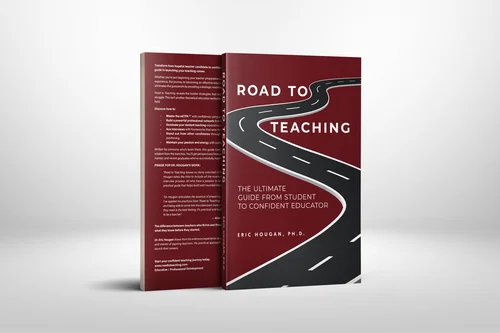
Want the whole road in your bag?
All 51 chapters plus 100+ interview questions, from your first education course to your first contract. Paperback $12.99, Kindle $7.99 on Amazon.