Before your first day of student teaching, it helps to know who your students are, what the school cares about, and what the neighborhood around it has to offer. This chapter is for teacher candidates who just got their placement: a practical list of ways to research the school, the students, and the community so day one feels less like a blind date. The same homework pays off later, when an interviewer asks why you want to teach at their school.
This is Chapter 18 of 51 from Road to Teaching (2025 edition). Read the whole book free, in order, at Read the Book.
By Dr. Eric Hougan
“What is research but a blind date with knowledge?”Will Harvey
An essential step in student teaching preparation is to do preliminary research to learn about your new school, its students, and the community. Chances are that you have never been in the school, nor have you met any of the students. If you are fortunate enough to student teach in a school that you are familiar with, either through work experience or visitation, then you are already ahead of the game. However, this is most often not the case and the more background knowledge you have going in, the less your first day in the classroom will feel like a blind date.
Learn About the Students and School
To begin, make efforts to familiarize yourself with the students and their backgrounds, the school and its goals, and the climate of the school. Here are some possible ideas to get you started:
- Introduce yourself to students and their families by sending out a personalized introduction letter. Include some personal and professional information, as well as your education background and school contact information.
- Reach out to some of the school’s current and former educators to gain some insider perspective.
- Be on the lookout for articles and news stories from the local media about the school or the district.
- Utilize social media (such as X) by following the school’s teachers or administrators (only if the accounts are professionally focused)
- Create Google Alerts—free email updates of the latest relevant Google results (web, news, etc.) based on your choice of a query.
- Participate in school-wide events that involve the community such as engineering night, concerts, or other similar events
Digital research tools have expanded significantly in recent years. Schools now maintain active websites with detailed information about their programs, staff, and recent achievements. Many districts publish annual reports, strategic plans, and demographic data that provide valuable insights into school priorities and student populations.
Social media presence can offer authentic glimpses into school culture. Look for official school accounts on platforms like Facebook, Instagram, or YouTube where schools often share classroom activities, student achievements, and community events. However, be mindful of professional boundaries and privacy considerations when engaging with these platforms. Additional insightful information may be gleaned by visiting your school, district, and state education websites. As you browse the sites, below are some questions to guide your research:
- What is the student make-up of the school (special education, multilingual learners, ethnic backgrounds, socioeconomic status)?
- What types of learning initiatives are in place at the school?
- What are the school’s test scores? How are those scores trending? What are the areas of strength and areas of improvement?
- What is the typical class size?
- How many students and teachers are there?
- What kind of curricula and programs does the school offer?
- What makes that school or school district unique?
- What technology resources are available to students and teachers?
- What extracurricular activities and support services does the school provide?
- How does the school address social-emotional learning and student wellness?
State education department websites often provide school report cards that include detailed demographic and achievement data. This information can help you understand the context in which you’ll be teaching and identify potential areas where you might focus your student teaching goals.
Develop Community Awareness
Schooling occurs in a social context and is part of a broader community. Thoroughly investigate the community, specifically looking for the community assets—the places and resources within the community that add value or improve the quality of life for the people. Here are some ideas to develop community awareness:
- Read the local newspapers, especially the education section, to familiarize yourself with the community.
- Collect information about the school’s neighborhood by reading up on things such as demographics, cost of living, and quality of life. In large cities or districts, neighborhoods can vary greatly from each other, causing a single school to represent a wide range of socio-economic backgrounds. An easy way to uncover this specific information is to use realtor Internet tools (e.g., Zillow).
- Take walks around the neighborhood.
- Dine in the local restaurants and enjoy the local coffee shops. Ask parents, students, and colleagues for suggestions.
- Visit the local cultural treasures such as museums, parks, farmers markets or other community gathering spaces.
- Participate in events happening around the community.
- Support the local economy (and business owners) by shopping in the neighborhood stores.
Consider using asset-based community development principles in your research. Rather than focusing solely on community challenges or deficits, actively seek out the strengths, resources, and positive attributes of the community. This might include:
- Local businesses that support education
- Community organizations focused on youth development
- Libraries and recreational facilities
- Healthcare and social services
- Religious or cultural institutions that serve families
- Volunteer organizations and civic groups
- Natural resources and outdoor spaces
Understanding community assets allows you to make meaningful connections between classroom learning and students’ lived experiences. It also helps you identify potential resources for field trips, guest speakers, service learning projects, and authentic learning opportunities. Many communities now have online resources that can supplement your physical exploration. Local government websites often include information about community programs, upcoming events, and resources for families. Chamber of Commerce websites can provide insights into local businesses and economic conditions.
As a final note, when out and about in the community, take the time to engage with people in a meaningful way. Genuinely inquire and take an inventory about the things they love and appreciate about their local culture, community, and neighborhoods. You will learn more about the area you will be teaching in, and begin to feel a sense of ownership and belonging during your practicum as you build strong ties and relationships with families.
Document your community research in a way that you can reference throughout your student teaching experience. Consider creating a community resource map or digital folder where you compile information about local assets, businesses, and organizations that might enhance your teaching. This information will be valuable not only during student teaching but also as you begin your job search and potentially seek positions in the area.
Remember that community research is an ongoing process. What you learn before student teaching begins is just the foundation. Continue to observe, ask questions, and build relationships throughout your practicum experience. This deepening understanding of community context will make you a more effective teacher and a more competitive job candidate.
Immerse yourself in learning about the community, school, and students you’ll serve, focusing on assets and strengths rather than deficits. This deep understanding will inform your teaching decisions, help you build meaningful connections, and demonstrate your commitment to culturally responsive education.
Interviewing soon? See how this chapter turns into an answer: Why Do You Want to Teach at This School?
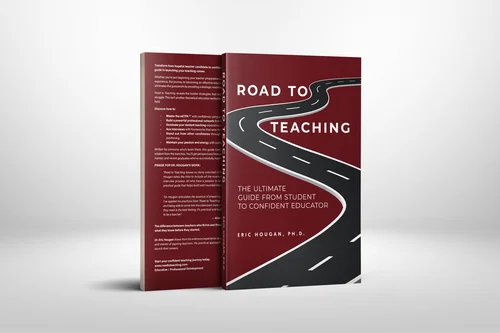
Want the whole road in your bag?
All 51 chapters plus 100+ interview questions, from your first education course to your first contract. Paperback $12.99, Kindle $7.99 on Amazon.