The people sitting next to you in your education classes, and the professors teaching them, will be your first professional network. This chapter is for teacher candidates who want to turn those relationships into job leads, references, and advice while they are still in the program. It follows the chapter on meeting principals before you apply.
This is Chapter 13 of 51 from Road to Teaching (2025 edition). Read the whole book free, in order, at Read the Book.
By Dr. Eric Hougan
“A teacher affects eternity; he can never tell where his influence stops.”Henry Adams
Your professors and peers within your teacher preparation program can provide another rich opportunity for networking. Together, these two groups encompass diverse experiences and backgrounds that may be of great benefit to you as you embark on your teaching career. Take as an example your peers as a network. As you progress through your teacher education program, you and your peers may send timely communication about upcoming job openings in their respective schools or districts. Your peers may even put in a good word for you with the administration, possibly giving you an advantage over others applying.
Additionally, your professors and instructors represent a wealth of knowledge and therefore can also be a valuable asset to your network. Keep in mind that many of your instructors, as former teachers or administrators, may be willing to share pertinent information with you to assist in your job search. For instance, faculty may also provide insight into the job market such as which schools/districts are hiring, as well as guidance on what principals are looking for in potential job candidates. This information may give a teacher candidate the critical edge needed to land the job they desire. Lastly, faculty can provide you with constructive feedback on how to improve your cover letter and résumé as well as write you a letter of recommendation or serve as a job reference.
When building connections with professors, go beyond simply attending class and submitting assignments. Visit during office hours with thoughtful questions about the profession, ask for reading recommendations beyond course requirements, and demonstrate genuine curiosity about their research or areas of expertise. Professors are more likely to remember and advocate for students who show authentic engagement with educational ideas.
Many teacher preparation programs offer opportunities to present at symposiums, participate in research projects, or contribute to departmental initiatives. Volunteering for these experiences not only builds your résumé but also expands your network. Faculty members who see your willingness to contribute beyond minimum requirements are more likely to remember you when professional opportunities arise.
Also, take advantage of program-sponsored events such as education lectures, workshops, or social gatherings. These settings often attract alumni who are now working in schools, district personnel looking to recruit, and faculty from other departments. Arrive early, stay late, and challenge yourself to have meaningful conversations rather than staying within your comfort zone.
Finally, as you near graduation, stay connected with your program’s career services or placement office. These specialized resources can connect you with alumni networks, district-specific hiring processes, and exclusive job postings. Many alumni report finding their first teaching positions through connections maintained with their preparation programs.
Cultivate meaningful relationships with professors and classmates who will become your professional network for decades to come. Engage actively in program events, seek mentorship from faculty, and maintain connections with peers who may share job leads and provide mutual support throughout your careers.
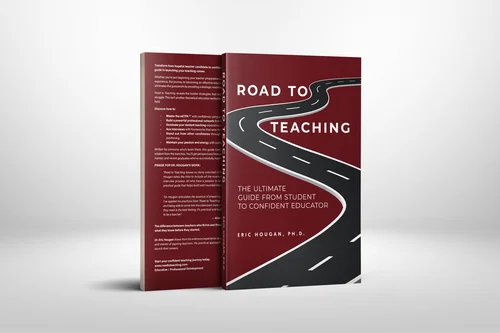
Want the whole road in your bag?
All 51 chapters plus 100+ interview questions, from your first education course to your first contract. Paperback $12.99, Kindle $7.99 on Amazon.