Chapter 43 is about turning the people you already know into leads for your first teaching job. It is for teacher candidates who are applying now and are not sure who to ask or what to say. It follows Chapter 42 on tracking your job search, and the teacher job search guide puts it in order with the rest of the hunt.
This is Chapter 43 of 51 from Road to Teaching (2025 edition). Read the whole book free, in order, at Read the Book.
By Dr. Eric Hougan
“When shooting in the dark, it is a good idea to use a machine gun.”Craig Bruce
Now is the time to utilize your most powerful weapon—your network. For instance, begin by reaching out to the human resource recruiters you met previously at career fairs. Remind them of who you are (and where you met them), let them know your desired teaching position, and inquire if they are aware of any positions you may qualify for. Remember to keep all communication professional, meaning your interactions are always courteous and when reaching out via email your spelling and grammar is error-free. Next, turn to your network of friends and colleagues. Do not shy away from sending monthly or quarterly updates on your life, and, more specifically, on the status of your job search to your network.
Ask your friends and colleagues to contact you if they hear of any teacher job openings or soon-to-be openings. A simple email here and there will suffice as friendly reminders to your network to keep an eye out for your interests. Additionally, remember that your network serves functions beyond assisting you in finding your dream teaching job. More than likely your network includes people with whom you have an authentic and meaningful relationship. Rely on those people for support and advice while nurturing those connections as well. For example, a meeting with a colleague at a local coffee shop may serve as a refreshing reminder to both of you that your job-hunting struggles are not happening in isolation. Phoning an old friend may lead to a mutually beneficial volunteer opportunity. From your professors to your cooperating teachers it is now time to utilize your network, as you never know what doors of opportunity will open for you just by reaching out.
Strategic Networking Approaches
Reactivate Dormant Connections: Professional relationships often fade naturally over time, but they can be valuable during a job search. Reach out to former classmates, colleagues from other jobs, professors, and supervisors with a brief, friendly update on your career progress. Many people are happy to help when approached respectfully.
Leverage Social Media Professionally:
- Update your LinkedIn status to indicate you’re seeking teaching opportunities
- Join education-focused Facebook groups in your target areas
- Follow school districts and administrators on X or Blue Sky
- Share educational content that demonstrates your passion and knowledge
Effective Networking Communications
Crafting Your Outreach Messages:
Sample LinkedIn Message:
“Hi [Name], I hope you’re having a great school year! I’m reaching out because I’m beginning my job search for elementary teaching positions in the [City] area. I remembered you mentioned working in [District] and wondered if you might have any insights about the hiring process there or know of any upcoming opportunities. I’d love to catch up over coffee if you have time. Thanks for any guidance you can share!”
Sample Email Update to Your Network:
“Hi everyone! I wanted to share a quick update on my teaching journey. I recently completed my student teaching at [School] and am now actively searching for elementary teaching positions in the [Area]. If you hear of any opportunities or know someone I should connect with, I’d be grateful for the introduction. I’m excited to start making a difference in students’ lives! Thanks for your continued support.”
Networking Beyond Education
Don’t limit your networking to education professionals. Your broader network may have unexpected connections:
Family and Friends: Parents of students you might have tutored, neighbors who work in schools, family friends in the community, and parents from organizations you’ve volunteered with all represent potential connections to teaching opportunities.
Community Connections: Local business owners who support schools, religious or community organization members, alumni networks from your undergraduate institution, and professional associations outside education can provide valuable insights and connections to the education community.
Managing Network Responses
When People Want to Help: Be specific about what you’re looking for and provide them with your resume and a brief summary of your qualifications. Make it easy for them to introduce you or share your information, and follow up promptly on any leads they provide.
Following Up Appropriately:
- Send thank you notes for any assistance provided
- Update your network on positive outcomes
- Maintain relationships even after securing a position
- Pay it forward by helping others in your network
Nurturing Long-Term Relationships
Remember that effective networking is about building genuine relationships, not just asking for favors. Consider these approaches:
Provide Value to Others: Share job postings that might interest others in your network, offer to help with their projects or challenges, introduce people in your network who might benefit from knowing each other, and share your skills and knowledge when appropriate.
Stay Connected: Send periodic updates on your career progress, congratulate others on their achievements, remember important events in their lives, and maintain contact even when you don’t need anything.
Express Gratitude: Thank people for their time and assistance, acknowledge their contributions to your success, write recommendations for those who have helped you, and celebrate milestones with those who supported your journey.
Your network is indeed your most powerful tool in the job search process. The relationships you’ve built throughout your education and life experiences can open doors that traditional applications alone cannot. Approach networking with authenticity, professionalism, and a spirit of mutual support, and you’ll find that many people are genuinely willing to help you succeed in your teaching career.
Activate your professional network systematically by reaching out to contacts with updates on your job search and specific requests for assistance. Remember that networking is about building mutually beneficial relationships, so look for ways to provide value to others while seeking their support.
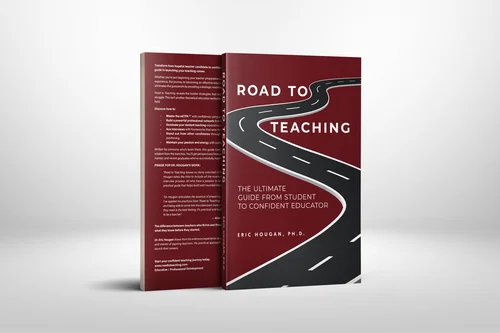
Want the whole road in your bag?
All 51 chapters plus 100+ interview questions, from your first education course to your first contract. Paperback $12.99, Kindle $7.99 on Amazon.