The edTPA is the assessment that worries teacher candidates, and the advice in this chapter is simple: start early and get organized. It is for anyone in the first year or two of a program, and it covers the three edTPA documents to read first, how to keep notes on the rubrics, and how to set up your files. If you are already student teaching, the edTPA Success Guide goes deeper on the planning, writing, and video tasks.
This is Chapter 5 of 51 from Road to Teaching (2025 edition). Read the whole book free, in order, at Read the Book.
By Dr. Eric Hougan
“Spectacular achievement is always preceded by unspectacular preparation.”Robert H. Schuller
The Teacher Performance Assessment (edTPA™) has become widely used in teacher preparation programs across the United States. This performance-based assessment is designed to measure the classroom practice of teacher candidates. As part of the edTPA™ process, teacher candidates submit a portfolio that includes artifacts, video of their instruction—typically captured during student teaching—and a commentary that critically analyzes aspects of their practice: planning, instruction, and assessment. These submissions are evaluated against a set of scoring rubrics. The edTPA™ is now being used in hundreds of preparation programs across the country and in many states, passing the edTPA™ is consequential to receiving teacher licensure.
Because of the growing importance and consequential nature of the edTPA™, teacher candidates would benefit from planning and organizing for this assessment early in their teacher preparation. Additional edTPA™-specific strategies are offered in the student teaching section of this book. The strategies curated here stem from multiple sources: teacher candidates who have successfully completed the edTPA™, edTPA™ assessors, university field supervisors, official edTPA™ resources, and more. While not exhaustive, these strategies will serve as another resource to guide you through the process and, hopefully, maximize your success in completing the edTPA™.
Prepare With the End in Mind
Dr. Stephen Covey, the best-selling author of The 7 Habits of Highly Effective People, remarked, “To begin with the end in mind means to start with a clear understanding of your destination. It means to know where you are going so that you better understand where you are now and that the steps you take are always in the right direction.” This same advice is applicable when preparing yourself for the edTPA™. Having the ‘end in mind’ allows you to know the edTPA™ expectations. For example, by reviewing the edTPA™ expectations early on, you will begin to better understand what is required to score well on the various rubrics. This early preparation gives you insight into your strengths and gaps in understanding related to the edTPA™ expectations. For instance, you may realize you do not fully understand how to achieve a high score on a specific rubric. That awareness will help you as you progress through your teacher training. You are more likely to make connections between your coursework and practicum to the edTPA™—leveraging your strengths and closing knowledge gaps to be more successful in completing the assessment.
To develop ‘a clear understanding’, first gather the necessary resources that provide the edTPA™ expectations. Generally, teacher candidates may access these resources via their teacher preparation program. The recommended resources are:
- The edTPA™ assessment handbook for your content area
- The Rubric Level Progressions booklet
- The candidate support resource called Making Good Choices
Be sure to double-check that you have the correct handbook and that it’s the latest edition. Next, review all three resources as early as possible. If lack of time is an issue, I recommend starting with the Understanding Rubric Level Progressions. This resource unpacks the expectations for each rubric component. One former teacher candidate commented, “Absolutely have the Rubric Level Progressions and use them religiously. You have to know where you’re aiming.” It is further suggested that you take notes, writing down big takeaways and lingering questions. These notes will be a good way to keep yourself engaged as you read through the resources and serve as a parking lot for questions that you will eventually want to be addressed. Consider creating a digital document or notebook dedicated to edTPA™ preparation where you can:
- Track your understanding of each rubric’s requirements
- Note connections between your coursework and edTPA™ components
- Document questions for your instructors or supervisors
- Create a timeline for completing each section of the assessment
- Compile resources and examples that might be helpful during edTPA™ preparation
Revisit these resources throughout your training to track your growth towards meeting the edTPA™ expectations. Pay particular attention to how the language of the rubrics aligns with what you’re learning in your coursework. This will help you develop the academic language necessary to communicate effectively in your commentaries.
Digital tools like project management apps (e.g., Trello) or note-taking platforms with organization features (e.g., OneNote) can help you create a comprehensive edTPA™ preparation system. Many teacher candidates find it helpful to create digital folders organized by edTPA™ tasks, with subfolders for planning templates, student work samples, video recording requirements, and commentary drafts. Later in the book, additional edTPA™ tips are provided to guide you through the planning, writing, and video-taping process while you are student teaching. By organizing early and methodically, you’ll position yourself for success when it’s time to complete your edTPA™ portfolio.
Start your edTPA™ preparation early by thoroughly reviewing all handbooks and creating organized digital systems for tracking your progress. Understanding the expectations from the beginning allows you to make meaningful connections between your coursework and the assessment requirements, setting you up for success.
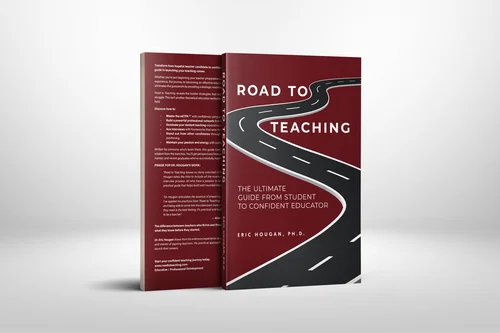
Want the whole road in your bag?
All 51 chapters plus 100+ interview questions, from your first education course to your first contract. Paperback $12.99, Kindle $7.99 on Amazon.