
As my student teaching practicum wound down, the reality of finding a job hit me like a ton of bricks. I began my search in March and wasn't hired until the middle of July, and somewhere in that stretch I sat through an interview that went so badly I wanted to disappear. If you've been there, or you're dreading it, here's what actually got me through.
Looking for the perfect teaching position takes time and effort. I learned the hard way that losing an interview is sometimes inevitable; the trick is simply not to make a habit of it. Here's how I turned one rough interview into the momentum that landed me my classroom.
I let myself feel it, then reframed it
Watching my peers accept offers while I collected rejections was demoralizing. I felt behind the curve. But one bad interview didn't define me as a teacher, and it didn't define me either. I decided to treat it as a free practice round that showed me exactly which questions I hadn't rehearsed out loud yet.
I ran an honest debrief
That night, while it was fresh, I wrote down every question that tripped me up and drafted a calmer answer for each one. Being specific mattered: "I rambled about classroom management" became a two-sentence answer I could actually deliver next time.
- What was asked? I captured the exact wording of the hard questions.
- Where did I lose the thread? Usually a vague example or plain nerves.
- What's my better answer? I wrote it out, then said it aloud three times.
I leaned on my network
The real turnaround came from other people. I reached out to my mentor teacher, who connected me with new teachers who had just gone through the hiring process. They shared their resumes and cover letters and walked me through what committees actually look for. If reaching out to a mentor feels intimidating, a career counselor in your university program or a trusted professor is a great place to start.
I also got realistic about the market. The teaching job outlook varies a lot by subject and region, and browsing the Bureau of Labor Statistics Occupational Outlook helped me target the roles where I actually had a shot.
I practiced the way I'd actually be asked
Reading answers in my head wasn't practice. I rehearsed out loud, using the real questions I'd face, organized by theme on the teacher interview questions hub. Two things helped most: learning to frame each answer with a simple structure, and drilling a set of practice questions until they felt natural.
I walked in as an active participant
By my next interviews I stopped treating them as interrogations and started treating them as conversations I could help steer. I brought questions, listened for what each school actually needed, and closed by restating why I was a fit. (That shift is its own skill, and it's covered in being an active participant.)
What I'd tell my earlier self: a bombed interview is data, not a verdict. Every committee you face makes the next one easier, and it only takes one yes.
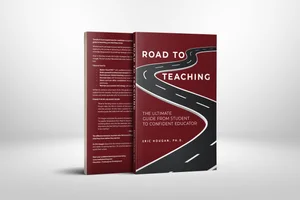
Road to Teaching: The Ultimate Guide
Your complete roadmap from teacher training through student teaching and the edTPA to landing your first contract, with 100+ real interview questions and classroom-ready strategies.
Get the book on Amazon →Frequently asked questions
Can you still get hired after a bad teacher interview?
Yes. One weak interview rarely disqualifies a strong candidate. Debrief honestly, rehearse better answers out loud, and apply the lessons to your next interview. Hiring is a process, and most teachers face a few setbacks before landing the right job.
What should you do right after a teacher interview that went badly?
Within 24 hours, write down the questions that tripped you up and draft a calmer, more structured answer for each. Send a brief thank-you note, and treat the experience as targeted practice for the next round.
How do you prepare so you do not bomb the next interview?
Rehearse real questions out loud, build short STAR-style stories from your student teaching, research the school, and practice with a mentor teacher, professor, or career counselor before the interview.
